Phase 1 Outcomes
Three of the four target companies acknowledged investor engagement letters. The same three companies also participated in investor dialogues, with five engagement meetings held across virtual and in-person formats.
Below is a summary of the engagement outcomes. More details can be found in the Phase 1 progress report.
For individual company assessments, please visit our Company Universe.
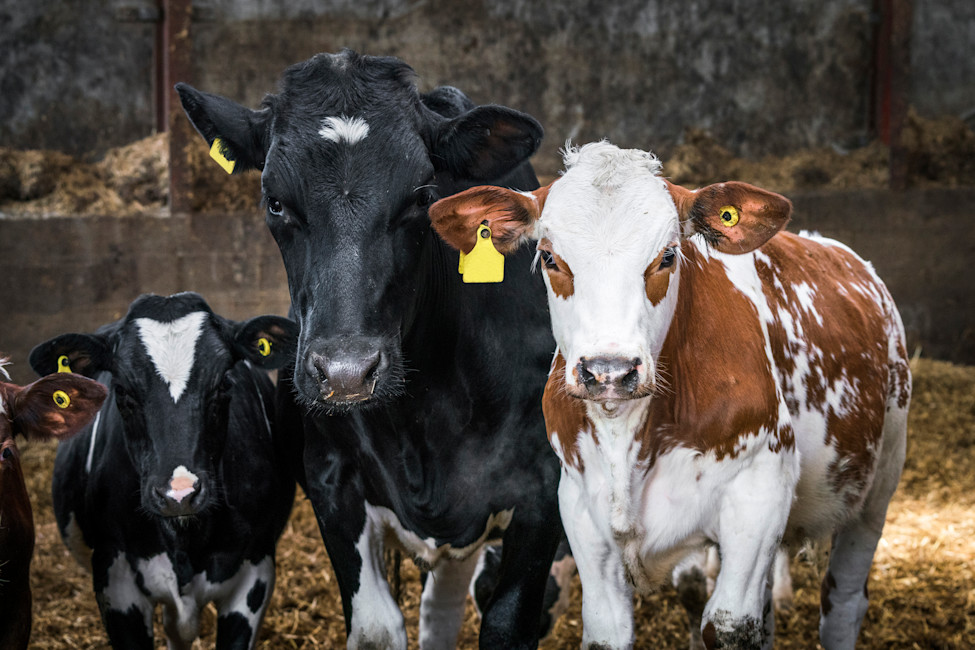
Phase 1 Outcomes
China’s dairy modernisation presents opportunities and challenges
China’s dairy sector has shifted towards larger-scale, more intensive production, supported by government policies promoting higher yields, precision feeding and greater self-sufficiency. While improving productivity, this transition increases the importance of managing agricultural methane emissions, manure-related pollution and feed costs, which account for over 60% of milk production costs. China’s evolving policy framework is placing greater emphasis on agricultural methane mitigation and improved livestock waste management.
The sector’s reliance on imported soy-based feed creates a further layer of risk. With Brazil supplying approximately 73% of China’s soybean imports, dairy supply chains are exposed to deforestation and land-conversion risks alongside commodity price volatility and potential sourcing disruptions. This concentration highlights the importance of feed diversification, supply chain traceability and stronger upstream supplier engagement to manage environmental and financial risks.
40.9 million tonnes
China’s milk production in 2025, reflecting decades of sector expansion.US$48bn
Projected China dairy retail market value by 2030.518 cows
Average herd size, up 234% since 2018.60%+
Share of milk production costs typically attributed to feed.105%
Increase in dairy-sector GHG emissions between 2002 and 2020.111.8 million tonnes
China’s soybean imports, exceeding domestic production by more than five times.Climate scenario analysis is becoming an established risk management practice
All four companies use at least two climate scenarios to assess financially material risks, drawing on internationally recognised pathways. Their assessments highlight exposure to feed and commodity price volatility, energy costs and operational disruptions. This demonstrates growing recognition of climate-related risks across the dairy value chain.
Companies are also extending climate management beyond their direct operations. All four companies provide carbon accounting or technical support to suppliers, including help to establish emissions reduction targets and solutions.
Further integration into business planning and procurement decisions presents an opportunity to build on this progress.
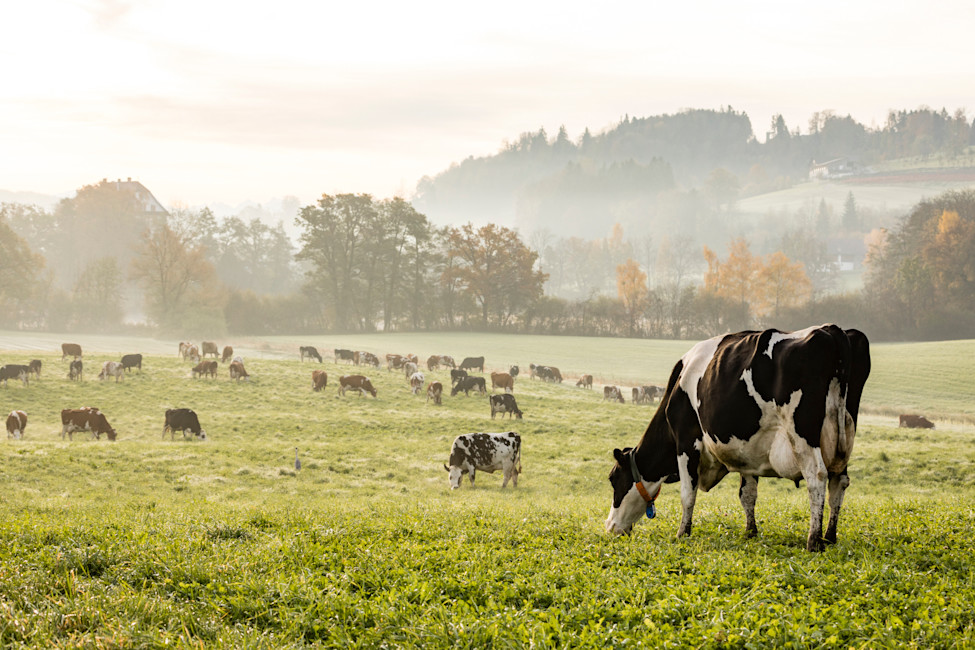
Practical decarbonisation measures are emerging across the dairy value chain
Companies are pursuing emissions reductions through a range of operational measures and technological innovations. These include improving manure utilisation, adopting biogas solutions, optimising feed and exploring additives to reduce enteric methane emissions.
Progress is also evident in target setting, with companies beginning to establish or disclose near-term emissions reduction targets across their operations and value chains. Further progress will require stronger forest, land and agriculture and methane-specific targets, improved emissions reporting and greater consideration of the potential environmental and health-related trade-offs associated with mitigation measures.
Value chain influence is shaping how deforestation and land-conversion risks are managed
Companies are adopting different approaches to managing soy-related deforestation and land-conversion risks, reflecting their positions and influence across the value chain. Dairy processors can work more directly with feed suppliers and farms, while downstream buyers rely more heavily on supplier engagement to improve sourcing transparency.
These approaches include collaboration between dairy processors, soy traders and raw milk suppliers to advance deforestation-and-conversion-free (DCF) soy sourcing, alongside efforts to engage upstream suppliers and improve the traceability of soy used in animal feed. Progress in identifying soy sourcing origins provides a foundation for greater supply chain transparency, while deeper upstream collaboration offers opportunities to further strengthen DCF sourcing practices.
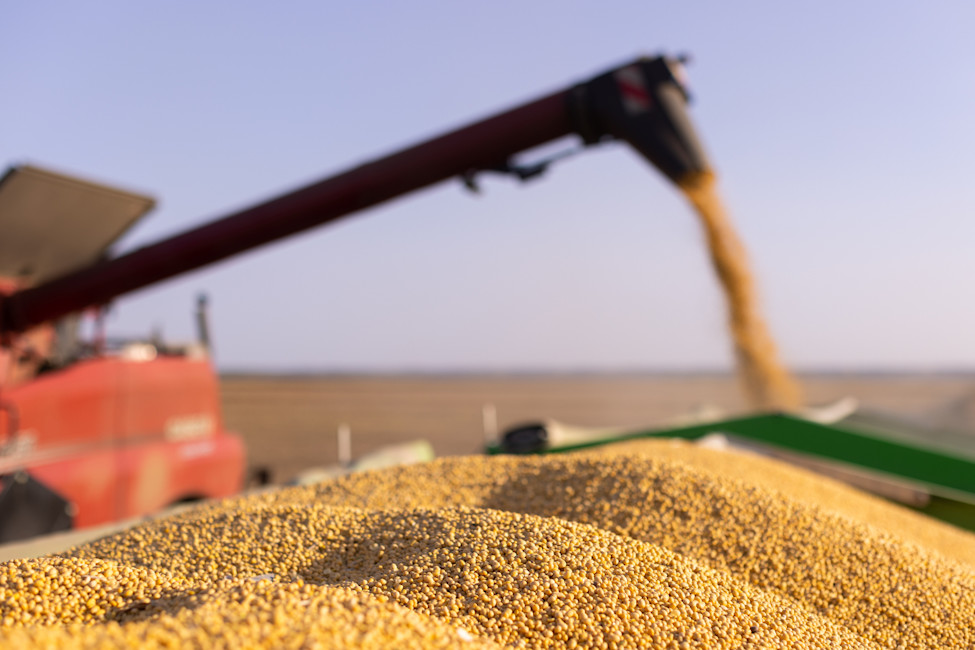
Responsible soy sourcing is gaining momentum alongside innovation in animal feed
Three of the four companies have made zero-deforestation commitments, with two explicitly covering soybean meal used in dairy cow feed. Progress is also evident in responsible sourcing practices, including procurement from low-deforestation-and-conversion-risk regions and certified sources.
Alongside these efforts, feed optimisation and alternative protein research offer complementary ways to reduce soy dependence. Initiatives include reducing soybean meal use through feed optimisation and exploring alternative protein sources, such as straw-based feed. Further progress in traceability and sourcing transparency could help demonstrate how these initiatives contribute to managing DCF-related risks.