Engagement Overview
China is the world’s largest producer and consumer of pork, poultry, and eggs; the largest importer of beef; and the largest buyer of soy for animal feed. The country’s dairy consumption is also estimated to increase by 24% between 2023 and 2032, from 50 million tonnes to 62.2 million tonnes.
Engaging China’s protein producers, feed suppliers, and retailers presents the single most powerful opportunity to mitigate the global externalities of intensive animal agriculture, including climate change and biodiversity loss, while supporting a transition to more sustainable and resilient livestock systems.
China has committed to reaching peak carbon emissions by 2030 and achieving carbon neutrality by 2060, with agriculture explicitly integrated into its climate plans. In its Nationally Determined Contribution, updated in September 2025, China committed to achieving a net GHG emissions reduction of 7%-10% below peak levels by 2035, with the reduction estimated to exceed 1 billion tCO₂e. The renewed pledge covers all emissions, compared to China’s previous targets, which primarily focused on CO₂. The country’s 2023 Methane Emissions Control Action Plan also signals its intent to strengthen methane governance.
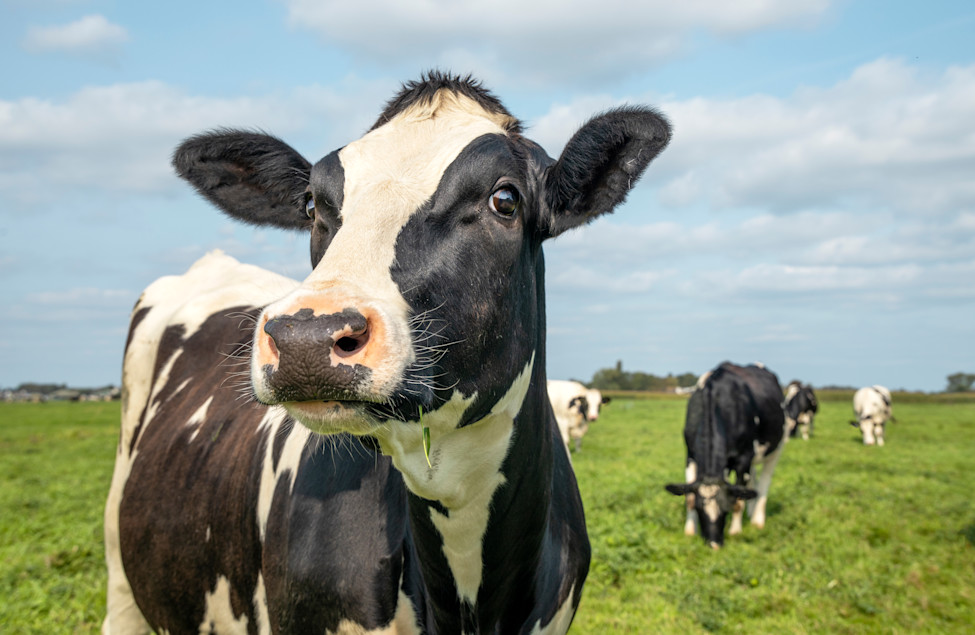
This engagement adopts a value chain approach, initially focusing on the dairy sector as a high-impact, actionable entry point. China is the world’s fourth-largest milk producer, with around 12 million dairy cows. Without targeted intervention, absolute emissions and nature-related risks are likely to increase as demand expands. This engagement, therefore, aims to support and accelerate the transition by encouraging companies to:
Reduce deforestation: Mitigate deforestation risks through sustainable soy sourcing, alternative feed innovation, and improved supply chain traceability and accountability;
Lower GHG emissions: Identify and pursue reduction opportunities in the dairy sector, particularly methane reduction;
Align with policy: Explore policy-aligned opportunities that turn compliance into strategic and financial value.
Selected Companies
This engagement focuses on three of China’s largest dairy producers and one major retailer, due to their market share and significant influence over domestic and international supply chains. Investor members can log into FAIRR’s website to access exclusive, company-level analyses.
Material Risks
The Chinese dairy sector faces two financially material risks: GHG emissions, especially methane, and soy-linked deforestation related to animal feed.
GHG emissions from China’s dairy sector grew by 105% between 2002 and 2020, from 24.52 Tg CO₂eq to 50.27 Tg CO₂-eq, with production expansion outpacing the advancements made in emissions-mitigating technologies. Methane is over 80 times more potent than CO₂ in warming the atmosphere, accelerating global warming, contributing to extreme weather events, ecosystem degradation, and public health risks. As global pressure mounts to curb agricultural methane, companies with high GHG footprints face environmental scrutiny and rising regulatory, market and transition risks. Inaction may lead to reduced market opportunities, higher compliance costs and reputational damage under tightening carbon disclosure and climate accountability frameworks.
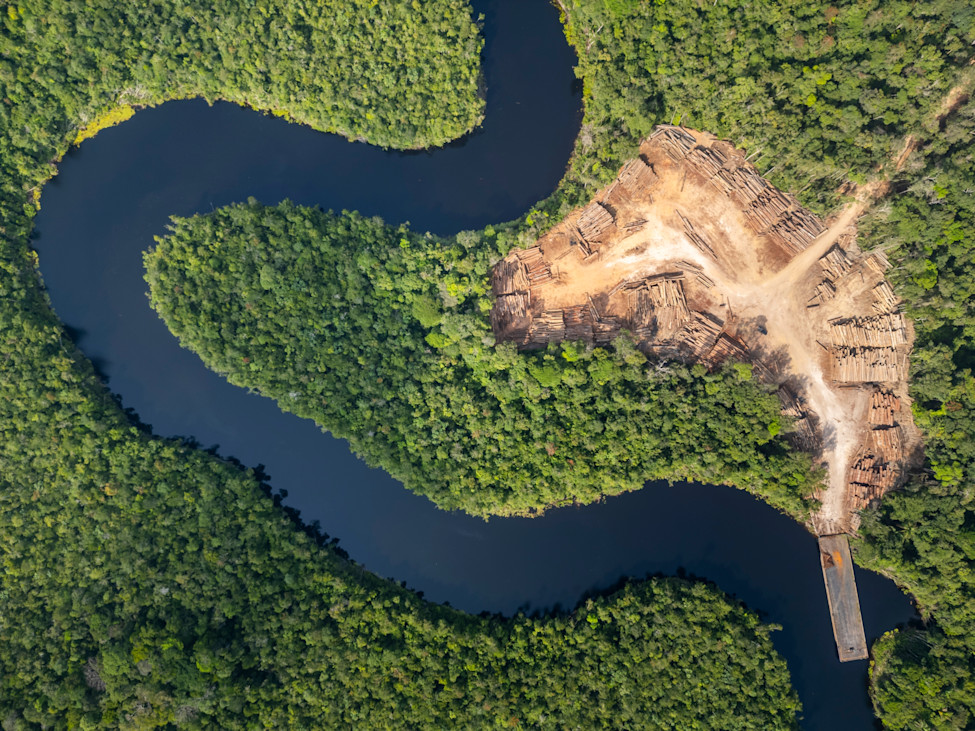
Simultaneously, China is the world’s largest importer of Brazilian soy, which accounts for over 73% of its total soy imports, with the majority used in animal feed. The high reliance on imported soy poses a risk to national food security. At the corporate level, it also constitutes a supply chain risk. Deforestation drives biodiversity loss and heightens physical climate risks such as floods and wildfires, exposing investors and companies to operational, regulatory and reputational risks.
Dairy companies can strengthen their verification systems and better respond to market demand for sustainability to reduce their risk exposure and promote more sustainable practices across their supply chains.
In Collaboration
FAIRR is working alongside thematic partners to support investors engaging with the Chinese agri-food sector.
The engagement is in collaboration with the Rainforest Foundation Norway and funded by the Jeremy Coller Foundation.