Foodborne infection outbreaks often emerge abruptly and can quickly translate into material financial impacts for companies exposed to global food supply chains. For investors, this can create risks that are hard to predict and increasingly difficult to ignore.
Recent outbreaks underscore this dynamic. In January 2026, Nestlé, Danone and Lactalis initiated large-scale recalls of infant formula products across multiple markets following concerns about potential contamination with bacterial toxin cereulide, linked to a shared ingredient supplier.
In 2024, a Listeria outbreak linked to US deli meat processor Boar’s Head led to the recall of more than 7 million pounds (3.2 million kg) of deli meat and multiple fatalities. The same year, an E. coli outbreak associated with the supply chain of McDonald’s triggered recalls, lawsuits, and significant reputational pressure. In-store sales in the US reduced by 1.4% during Q4 2024, while shares in the fast-food restaurant chain dropped by 6% following the initial food safety alert release, reducing its market value from US$225 billion to US$215 billion.
These are not isolated operational failures. They reflect a system in which contamination risk can spread rapidly through complex, globalised supply chains, and where the financial consequences are often immediate and material.
This Insight piece outlines why and how foodborne infection risks are evolving, how antimicrobial resistance (AMR) is aggravating these risks, and where investors may have practical levers to reduce them.
Why food safety risk is changing
Foodborne infection risk is not static - several structural trends are shaping the likelihood of contamination events and their potential severity.
An ageing population increases the impact of foodborne illness: The global population aged 60 and over is projected to double from 1 billion in 2020 to 2.1 billion by 2050. Older adults are more susceptible to severe illness, meaning outbreaks can have disproportionately serious outcomes as this demographic grows.
Climate change is altering biological risk conditions: Heatwaves, water scarcity and increased rainfall may contribute to the survival and spread of pathogens, such as Campylobacter, Salmonella, and Vibrio. Higher temperatures accelerate bacterial growth, and studies suggest that the risk of certain foodborne infections may increase by around 5% per 1°C rise in temperature. Drought can also raise contamination risks by requiring the use of wastewater for crop irrigation. Emerging research also suggests higher temperatures and extreme weather conditions are associated with AMR in pathogens.
The growing presence of Vibrio bacteria – including resistant strains - found in European coastal waters illustrates how climate change is reshaping food safety risks. Warmer sea temperatures are creating favourable conditions for the bacteria, increasing risks for seafood production and prompting health warnings in several coastal regions.
Biodiversity loss can weaken natural disease barriers: Evidence suggests that higher microbial diversity in agricultural soils can reduce the presence of human and animal pathogens, highlighting the importance of soil health for food safety.
Structural conditions within the food supply chain also influence food safety outcomes.
Working conditions affect food safety outcomes: Workers in the food supply chain are regularly exposed to pathogens, including resistant bacteria, through contact with animals, carcasses, and contaminated environments. Poor workplace conditions, such as high line speeds (accelerated processing rates), limited hygiene facilities, insufficient protective equipment, inadequate training, and limited worker voice, can increase the risk of injury, infection, and pathogen transmission.
Fair labour practices, proper training, and worker involvement have been shown to strengthen compliance and performance, therefore improving food safety outcomes. However, many workers globally still lack decent work and basic safety protections, reflecting persistent structural gaps.
AMR: A systemic risk multiplier
The use of antimicrobials in animal agriculture accounts for 73% of global consumption. Antibiotics are used to treat disease, as well as to promote growth and prevent disease in intensive livestock systems.
While antibiotics can reduce disease burden in the short term, routine use contributes to the emergence of drug-resistant bacteria. This reduces treatment effectiveness and increases the likelihood that foodborne infections become harder to treat and control as they spread through the food supply chain.
In this context, AMR acts as a systemic risk multiplier: when contamination events occur, limited treatment options can make outbreaks more difficult to contain and increase their overall impact on public health and supply chain stability.
AMR is a serious risk to public health. For example, in the UK in 2020, the outbreak of antibiotic-resistant Salmonella, linked to major Polish poultry supplier SuperDrob, affected more than 1,300 consumers and was associated with five deaths.
In the US, an analysis of FDA data found that over one-third of US retail meat samples contained at least one potentially harmful type of bacteria, while nearly one-quarter of these were multidrug-resistant, meaning that they can withstand several antimicrobial drugs.
The implications extend well beyond the food sector. AMR-related fatalities are projected to rise significantly on a global scale, with estimates suggesting increases of around 13% by 2030 and 70% by 2050, compared to 2022 levels.
As such, reducing routine antibiotic use and shifting towards targeted treatment strategies is an important lever to slow resistance and to limit the scale and complexity of future food safety incidents.
Where investors and companies can act: Animal health and social risks
Mitigating food safety risks within their portfolios can help investors preserve long-term value for clients and beneficiaries, while companies that proactively address these issues will strengthen their resilience in an increasingly risk-prone operating environment.
Two priority areas stand out, with clear metrics to measure improvements across antibiotic use reductions, worker retention improvements and animal welfare standards compliance:
1. Antimicrobial use and animal health
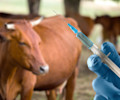
Reducing reliance on routine antibiotic use is one of the most direct ways to limit both AMR and food safety risk. Investors can encourage companies to adopt responsible antimicrobial use policies, eliminate routine use for growth promotion and prophylaxis, and invest in preventative measures such as vaccinations and improved biosecurity, animal welfare and animal husbandry practices.
These actions align with FAIRR’s work on AMR, which highlights the financial and systemic risks associated with current practices.
2. Worker rights and conditions
Investors can emphasise the importance of strengthening labour standards to directly reduce contamination risks. Companies can take measures such as ensuring access to paid sick leave, providing comprehensive food safety training, and promoting fair and safe working conditions across supply chains.
FAIRR’s work on social risks demonstrates that better labour practices are not only a social imperative but also a driver of operational resilience and risk reduction.
Food safety risks are closely linked to issues such as AMR, animal welfare, and labour practices. By focusing on these levers, investors can reduce exposure to food safety risks, limit the spread of antimicrobial resistance, and protect long-term portfolio value.
FAIRR insights are written by FAIRR team members and occasionally co-authored with guest contributors. The authors write in their individual capacity and do not necessarily represent the FAIRR view.
Written by

Head of AMR Programmes

Senior Analyst, AMR