This article explores the risks associated with the routine use of antibiotics in animal agriculture, in particular antimicrobial resistance and its broader implications for human health.
Why antibiotics risk matters
The routine use of antibiotics in animal agriculture accounts for an estimated 70% of antibiotic consumption globally, making the industry a significant contributor to antimicrobial resistance (AMR). This trend is expected to rise as more countries embrace intensive farming systems to meet the growing demand for meat, dairy and fish.
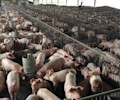
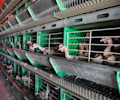
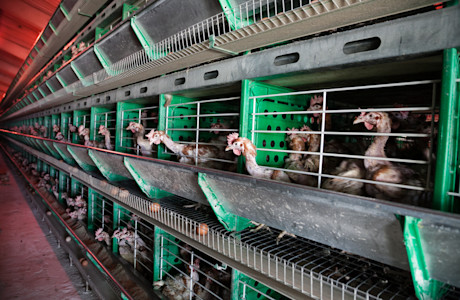
Intensive animal agriculture depends on the use of antibiotics to maintain the health of farmed animals, due to poor husbandry and welfare practices, thus contributing to AMR and associated risks. The industry also relies on antibiotics for growth promotion, particularly in the production of poultry and pork.
Although AMR risk currently develops separately in human and animal populations, the increased risk of zoonotic disease is narrowing the gap.
Types of antibiotics used in agriculture
Antibiotics are used for various reasons in animal agriculture:
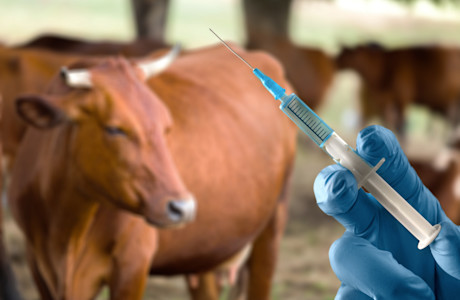
To treat animals with infectious diseases
To treat animals that have been in close contact with infected animal(s) in order to prevent further spread
To treat animals that are at high risk of infectious disease, but where there is no disease present in them or the wider flock/heard
To stimulate growth or increased feed efficiency
AMR in agriculture
AMR is recognised as a global public health threat by supranational organisations, including the World Health Organization and the World Bank, and by research communities.
The emergence of a disease with multi-drug-resistant bacteria would place centuries of medical progress at risk, rendering previously routine infections untreatable, with significant economic consequences for intensive animal agriculture and wider society.
AMR regulations
Global regulatory alignment on addressing the overuse and misuse of antibiotics in animal agriculture is lacking, but there are examples of national policymakers taking action:
The European Union has been progressively restricting the use of antimicrobials in livestock farming to curb use by 50% compared to 2018 levels by 2030. Since 2022, there has been a general ban on preventative antibiotics in farming, and from 2026, the bloc will restrict imports of animal products that use growth-promoting antibiotics.
The United Kingdom introduced new restrictions on antibiotics for hygiene management in livestock farming in 2024.
China’s 14th 5-year plan aimed to curb the use of antibiotics in farmed animals by 2025.
The United States has required antibiotics prescriptions for farmed animals since 2023.
Vietnam will look to ban all prophylactic use from 2026.
Positively, ahead of the General Assembly High-Level Meeting on AMR in September 2025, world leaders and experts called for a 30% reduction in global animal antimicrobial use by 2030, to align with the 2022 Muscat Manifesto. However, it was removed from the final draft of the Political Declaration of the High-Level Meeting on Antimicrobial Resistance and replaced with a call for “meaningful reductions” by 2030.
Why AMR is a material financial risk for investors
Phasing out the routine use of antibiotics for growth promotion and disease prevention is crucial to reduce consumption rates to levels where AMR risk can be mitigated.
Continuing practices that demand substantial levels of antibiotic use to be economically viable are, therefore, unsustainable and leave companies and their investors vulnerable to the economic and environmental threat of drug-resistant bacteria.
Limiting the use of antibiotics to the treatment of animals directly impacted by an infectious disease, or those which have been in close contact with clinically infected animals, would significantly reduce this risk, and companies that have comprehensive antibiotics policies will be in a better position to do so than those that do not.
The World Bank estimates that by 2050, AMR could result in US$1 trillion of additional healthcare costs, and result in GDP losses ranging from US$1 trillion to US$3.4 trillion per year by 2030.
Direct and indirect risks
AMR exposes investors and their portfolio companies to direct and indirect risks. These include:
reputational risks from disease emergence
losses from the culling of animals infected with resistant bacteria
increased operational costs from heightened regulations (or fines for non-compliance)
increasing consumer appetite for antibiotic-free meat and fish
the changing role of animal health companies
the potential loss of economy-wide revenues due to a wide-scale public health crisis.
Engaging with portfolio companies on antibiotic issues to encourage transparency and to implement responsible and comprehensive antibiotic strategies can support investors to mitigate these potential risks.
Summary
The routine use of antibiotics in animal agriculture presents health risks to human and animal populations, and a range of broader risks for companies and investors.
Reference
[10] World Bank. (2017, March). Drug-resistant infections: A threat to our economic future.