


The Hidden Costs of Water Scarcity in Livestock Companies
FAIRR's Water Risk Monitor model quantifies chronic water stress and drought exposure for 18 of the world's largest listed livestock companies across grain and feed production, animal raising, and animal processing and packaging, and projects the impacts on costs and margins to 2050 under three climate and socioeconomic scenarios.
View reportClimate Overview
Intensive animal agriculture is a significant contributor to climate change, responsible for approximately 19.6% of global greenhouse gas emissions, yet its impact is underrepresented in existing climate change engagement efforts despite its critical role in the global transition to Net Zero by 2050.
The risks associated with intensive livestock operations also extend to nature, and the negative feedback loops from climate and nature-related risks have resulted in a range of financially material impacts for the livestock sector and the agri-food value chain.
Despite these challenges, opportunities are emerging to help companies mitigate and adapt to climate change. Innovations in farm management, supply chain improvements, new technologies, and alternative protein products are helping the global agri-food value chain transition towards sustainability.
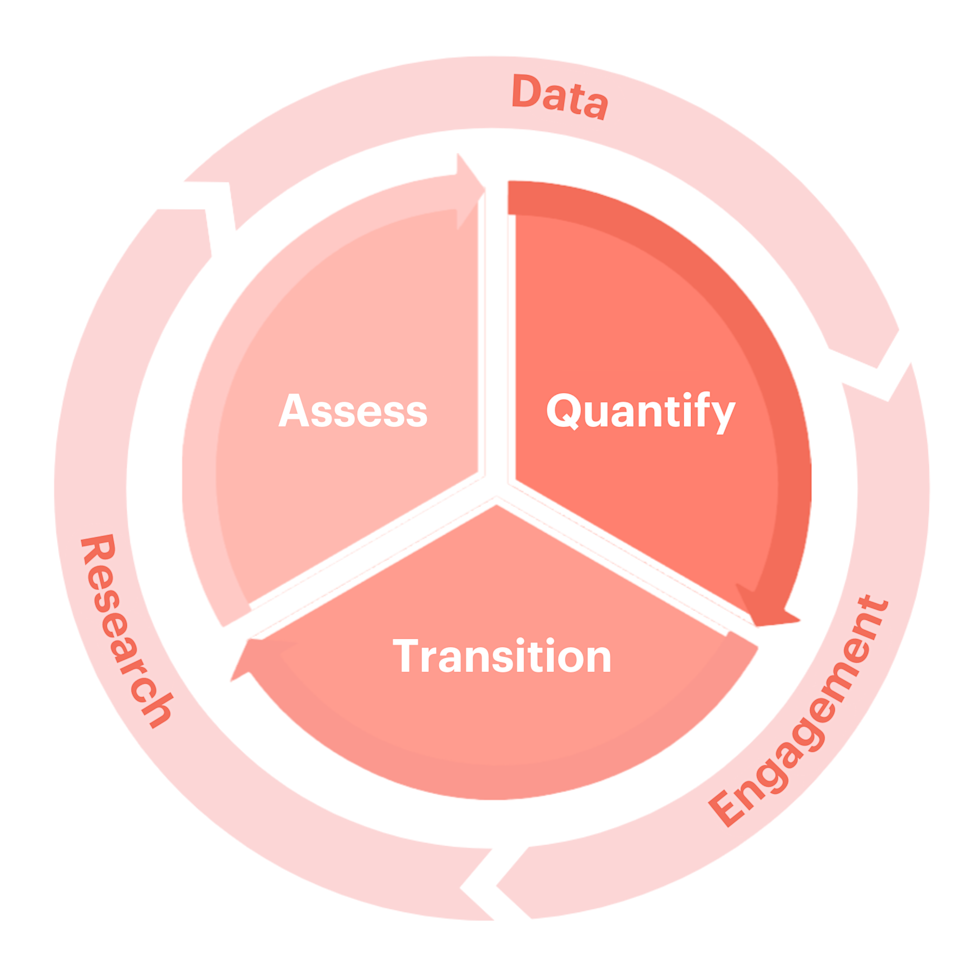
FAIRR supports investors in navigating these climate risks and opportunities through three key pillars:
Assess: Track climate-related disclosures and performance of the largest livestock companies via the Protein Producer Index
Quantify: Analyse physical and transition risks impacting costs, revenue, and profitability through the Climate Risk Tool
Transition: Identify opportunities such as Protein Diversification and Regenerative Agriculture to achieve net-zero targets and mitigate environmental risks
Additionally, FAIRR's recent efforts, such as the COP26 Investor Statement calling on the UN FAO to deliver a climate transition roadmap, have gained significant support from investors, representing US$18 trillion in combined assets. These initiatives equip investors with the tools and data necessary to minimise climate risks and seize opportunities in the livestock sector.
Latest Activity
Report Launch: The Hidden Costs of Water Scarcity in Livestock Companies
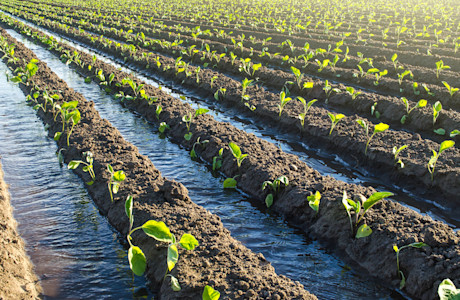
Water scarcity poses material financial risks to livestock companies and their investors. FAIRR's Water Risk Monitor model quantifies the hidden costs of chronic water stress and drought for 18 major listed producers, projecting value chain exposure to 2030 and 2050 across three climate scenarios and revealing significant gaps between disclosed water footprints and actual dependencies.
Report Launch: Grains, Gains and Growing Climate Risks: Building Resilience in Soft Commodity Supply Chains
FAIRR’s new report examines how climate and nature risks are reshaping livestock supply chains. The report highlights the material financial impacts of these risks, identifies corporate disclosure gaps, and highlights solutions that are emerging. It also aims to support investor actions that can strengthen the climate resilience of livestock portfolio companies.
Report Launch: Taking Stock of Industrial Animal Agriculture: The Macro Trends Shaping the Global Food Supply Chain
Using 2024 Coller FAIRR Protein Producer Index data, this report looks at where company commitments and practices demonstrate progress compared to 2019.
It also showcases the research, tools and investor engagements that provide FAIRR investor members with a better understanding of the material risks associated with intensive animal agriculture and the opportunities to drive systemic change in the global food system.
Research Launch - An Investor Primer: Water Insecurity in the Agri-Food Value Chain
This briefing aims to help investors understand the material risks of water insecurity for livestock companies in the agri-food sector and the importance of strengthening their water resilience. It also outlines the actions that investors can take to support companies to mitigate current and future water-related risks.
Climate and Nature-based Interventions in Livestock
This report presents a first-of-its-kind integrated climate-nature assessment framework to help investors identify and assess the mitigation potential and business case of 22 on-farm livestock interventions. It also maps public and private capital flows to the interventions to show how current financial investments fall short of supporting sustainable livestock production practices.
New Insight | Financing Net Zero: What the New SBTi Financial Standard Means for Investors
FAIRR’s latest Insight unpacks the new SBTi Corporate and Financial Net-Zero Standards, detailing how investors can align portfolios and manage financed emissions as part of their decarbonisation efforts.

Coller FAIRR Climate Risk Tool
Explore the third iteration of our flagship quantitative model which builds on our previous interactive tools and is more scientifically robust than ever.
Explore the ToolColler FAIRR Protein Producer Index
Explore the fifth iteration of our flagship, The Coller FAIRR Protein Producer Index, FAIRR’s foundational piece of research that identifies the most material ESG risks currently affecting the animal agriculture industry.
Explore the Index